Autism is a neurodevelopmental disorder that affects individuals in unique ways, making it crucial to have specialized support, structured clinical environments, and evidence-based therapeutic resources. When parents first encounter developmental delays, communication differences, or intense sensory sensitivities in their child, finding clear guidance can feel overwhelming. Dedicated autism centers play a vital role in providing comprehensive, compassionate services to individuals on the autism spectrum and their families.
Far from being simple therapy clinics, modern autism centers act as multidisciplinary clinical sanctuaries. They combine precise diagnostic evaluations, sensory-integrated physical spaces, customized developmental programs, and empowering parental education under one coordinated roof. This comprehensive guide sheds light on the essential functions of autism centers, how early intervention reshapes lifelong outcomes, and how integrated clinical care helps children unlock their highest potential.
Definition and Understanding of Autism
Autism, clinically termed Autism Spectrum Disorder (ASD), is a complex, neurodevelopmental condition characterized by diverse variations in brain architecture, communication patterns, social interaction, and sensory processing. It is recognized as a lifelong developmental profile that manifests in early childhood and influences how an individual perceives, experiences, and interacts with the surrounding world.
The defining word in this condition is spectrum. Autism is not a linear continuum ranging simply from "mild" to "severe." Instead, it is better visualized as a multi-dimensional wheel comprising communication abilities, executive functioning, sensory reactivity, motor planning, and emotional regulation. Two individuals with the exact same diagnosis can present entirely distinct profiles: one child may have rich expressive vocabulary but experience agonizing sensory overload from ambient fluorescent lights, while another may communicate primarily through non-verbal gestures while exhibiting extraordinary mechanical problem-solving talents.
A Strengths-Based, Person-Centered Approach
Modern clinical practice has shifted away from viewing autism purely as a deficit. At Gratus Kids, our clinical team emphasizes a neuro-affirmative framework that honors a child’s distinctive strengths—such as hyper-focus, visual memory, and genuine honesty—while actively scaffolding areas of developmental challenge like speech delays, emotional dysregulation, and sensory distress.
The Role of Autism Centers
Unlike generic healthcare facilities, an autism center is purpose-engineered to address the distinct sensory, cognitive, and developmental profiles of neurodivergent children. Rather than bouncing between fragmented appointments in different corners of the city, families enter a single, unified therapeutic hub where all developmental specialists collaborate daily on the child’s evolving care plan.
Comprehensive Clinical Assessment
Accurate, early screening, developmental profiling, and neurodevelopmental diagnosis using standardized observational metrics.
Multidisciplinary Interventions
Simultaneous speech therapy, occupational therapy, sensory integration, and positive behavioral support tailored to each child.
Educational Inclusion Programs
Specialized early preschool training, desk tolerance development, and individualized education plans (IEPs) for seamless school entry.
Family Empowerment & Coaching
Parent counselling, home intervention programs, and ongoing guidance to ensure therapy techniques transfer into daily routines.
Autism centers also feature sensory-calibrated architecture. Standard hospital waiting rooms and classrooms are often filled with acoustic echoes, harsh fluorescent flickering, and unpredictable odors that can immediately trigger sensory defensiveness in autistic children. In contrast, specialized centers utilize acoustic dampening, soothing indirect lighting, and padded sensory gyms, creating an environment where children feel secure enough to engage, communicate, and learn.
Early Intervention: Capitalizing on Critical Neuroplastic Windows
One of the most consequential missions of an autism center is delivering timely, intensive early intervention. The human brain undergoes its most explosive period of neuroplasticity between 18 months and 6 years of age. During this developmental window, neural pathways are exceptionally receptive to positive therapeutic stimulation, environmental enrichment, and behavioral reinforcement.
When parents notice early markers—such as delayed babbling, inconsistent response to their name, reduced joint attention, repetitive hand movements, or intense resistance to minor changes in routine—seeking early clinical assessment is essential. Waiting for a child to simply "outgrow" communication or behavioral delays often leads to lost developmental ground.
Clinical Benefits of Early Intervention
- Accelerated Language Acquisition: Stimulates receptive and expressive language centers before communication frustration crystallizes into challenging behaviors.
- Sensory Modulation: Calms tactile, auditory, and vestibular sensitivities, allowing children to comfortably participate in everyday family and social environments.
- Foundation for School Readiness: Builds joint attention, sitting endurance, multi-step instruction following, and basic self-help skills required for regular academic classrooms.
- Reduced Need for Intensive Long-Term Support: Clinical studies consistently demonstrate that high-quality early therapy reduces the level of lifelong care an individual requires.
The Multidisciplinary Approach: Teamwork in Action
Autism is inherently multifaceted; no single clinical specialty possesses the entire answer. The hallmark of excellence in an autism center is its seamless multidisciplinary model. Instead of isolated professionals working in separate silos, a coordinated team of specialists convenes regularly to evaluate, synchronize, and refine the child’s Individualized Therapy Plan (ITP).
At Gratus Kids, this multidisciplinary synergy brings together:
- Developmental & Ayurvedic Pediatricians: Overseeing clinical health, physical growth, gut-brain metabolic health, sleep hygiene, and neurological wellness.
- Pediatric Occupational Therapists: Evaluating fine motor coordination, sensory processing profiles, bilateral integration, and independent daily living skills.
- Speech-Language Pathologists: Assessing oral motor mechanics, pragmatic conversation skills, verbal expression, and alternative communication tools (AAC).
- Behavioral Therapists & Child Psychologists: Identifying behavioral triggers, structuring positive reinforcement systems, and supporting emotional self-regulation.
- Special Educators: Designing specialized curricula, cognitive exercises, desk tolerance routines, and academic pre-requisites.
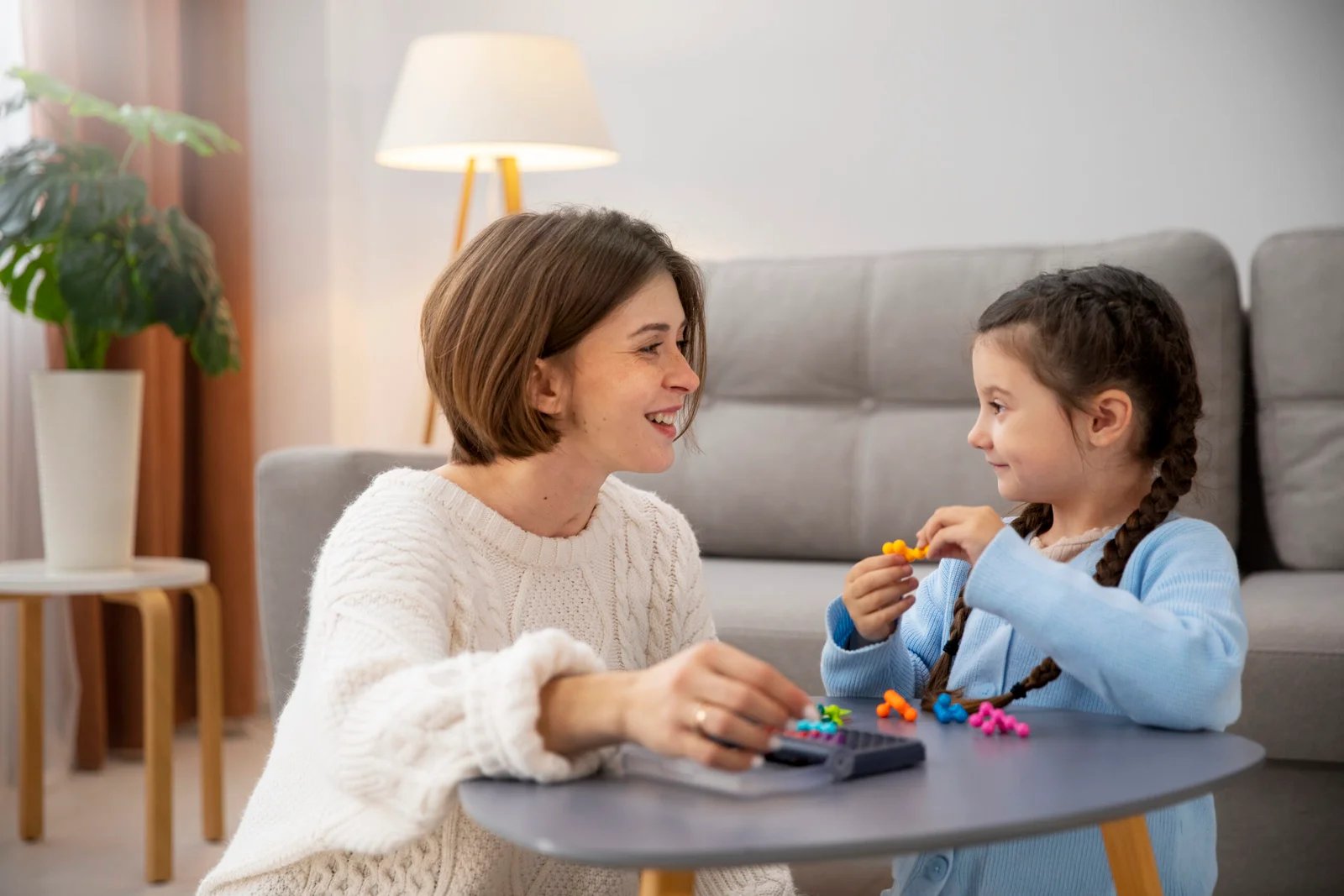
For example, if a child struggles with expressive speech during therapy because of vestibular dysregulation and postural fatigue, the Occupational Therapist and Speech Therapist work in tandem. The child first engages in proprioceptive jumping or vestibular swinging to regulate their nervous system, and immediately transitions into a playful speech session where communication flourishes naturally.
Diagnosing Autism: Comprehensive Clinical Evaluations
A dependable diagnosis is the critical first step toward clarity, peace of mind, and targeted therapy. At an autism center, diagnostic assessments are never rushed or based on superficial check-the-box evaluations. They involve thorough, multidimensional observational protocols conducted by seasoned clinicians.
The diagnostic protocol typically involves:
- Detailed Developmental History: Gathering comprehensive records of pregnancy, perinatal milestones, early communication attempts, motor milestones, and family medical background.
- Standardized Observational Assessments: Utilizing clinically validated diagnostic tools (including Childhood Autism Rating Scale - CARS-2, Indian Scale for Assessment of Autism - ISAA, and clinical behavioral observations) to evaluate reciprocal social communication, repetitive behaviors, and play skills.
- Sensory and Motor Profiling: Administering Sensory Profile assessments to identify hypersensitivities (defensiveness to sound, touch, textures) or hyposensitivities (seeking intense vestibular movement or deep pressure).
- Differential Diagnosis & Co-Occurring Review: Carefully distinguishing ASD from conditions that can mimic or accompany it, such as Attention Deficit Hyperactivity Disorder (ADHD), childhood apraxia of speech, global developmental delays, or selective mutism.
The culmination of this process is not merely a diagnostic label, but an empowering developmental baseline. It outlines the child's strengths, pinpointing exactly where targeted interventions will yield the most profound developmental leaps.
Therapeutic Interventions Offered at Autism Centers
Autism centers deliver a rich continuum of evidence-based therapies customized to each child’s unique clinical profile. Rather than relying on a single technique, therapies are interconnected to promote holistic development:
1. Occupational Therapy & Sensory Integration (OT-SI)
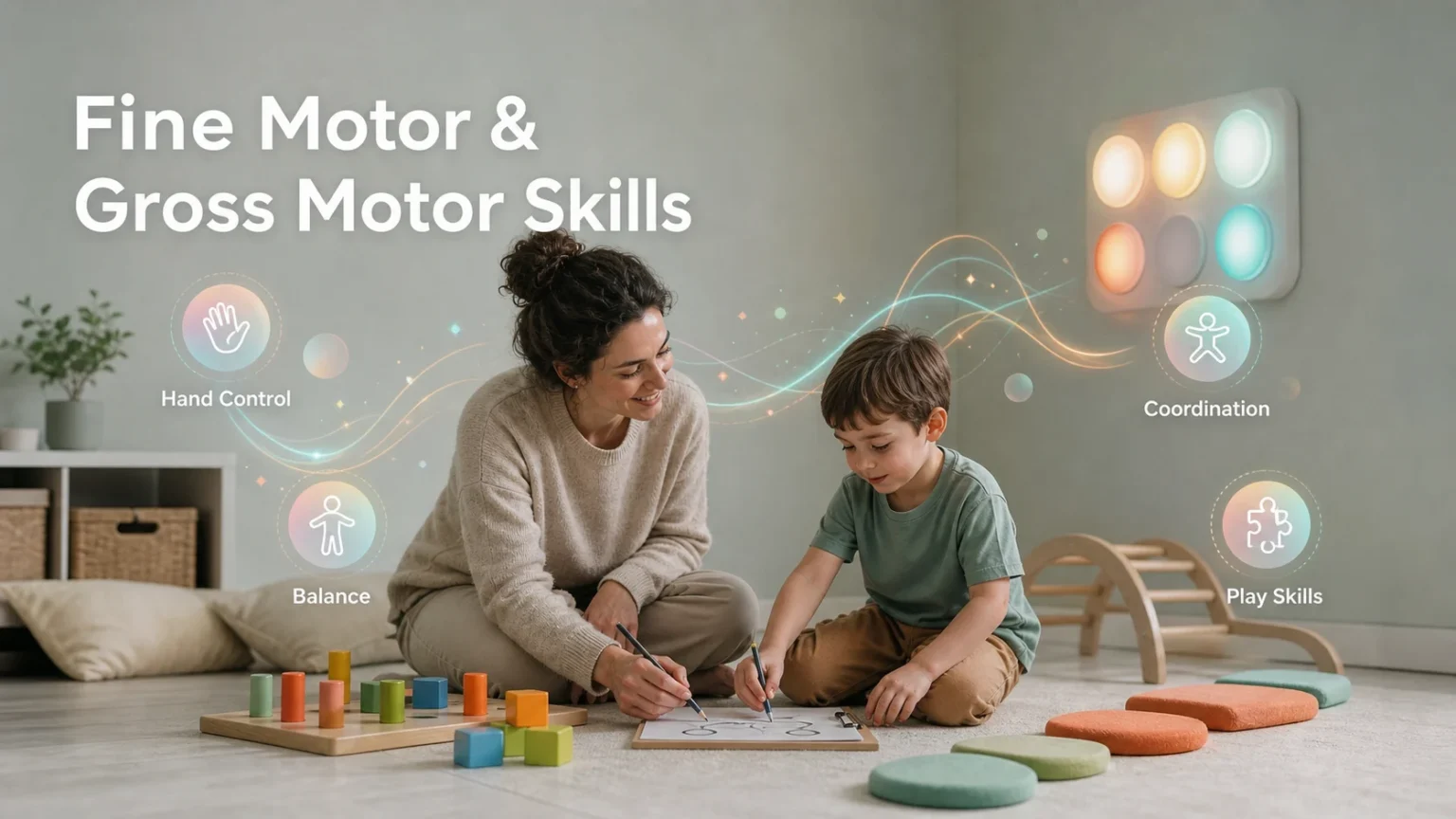
Many children with autism experience difficulties processing sensory inputs from their environment. Occupational therapy utilizes specialized sensory gyms equipped with suspended swings, textured climbing apparatus, balance beams, and weighted tools. Therapists guide children through targeted sensory diets that organize the nervous system, improve balance, enhance fine motor grip for handwriting, and foster true daily independence.
2. Speech and Language Therapy
Communication is a fundamental human right. Speech therapy at autism centers targets both verbal and non-verbal communication. For non-speaking children, therapists introduce Augmentative and Alternative Communication (AAC) systems—ranging from Picture Exchange Communication Systems (PECS) to digital tablet-based speech-generating devices. For verbal children, therapy focuses on phonetics, expressive vocabulary, conversational reciprocity, and understanding non-literal language and social nuances.
3. Positive Behavior Support & Behavior Therapy
Challenging behaviors, such as aggressive meltdowns or severe withdrawal, are virtually always an expression of unmet needs, sensory overload, or communication frustration. Modern behavioral interventions focus on functional behavior assessments—identifying the root trigger and equipping the child with functional replacement behaviors, coping tools, and visual schedules rather than enforcing rigid, punitive compliance.
4. Integrative Ayurvedic Pediatrics (The Gratus Kids Distinction)
At Gratus Kids in Palakkad and Coimbatore, our clinical leadership integrates authentic Ayurvedic pediatric science with modern therapies. Through classical Panchakarma detox protocols, gut microbiome balancing (strengthening Agni), and Rasayana nerve tonics (Medhya herbs like Brahmi and Shankhapushpi), we support the gut-brain axis. This calms neuro-inflammation, reduces hyperactivity, improves sleep architecture, and makes the child significantly more receptive to learning and communication therapy.
Educational Programs & School Readiness
Transitioning from a sheltered home environment into a bustling academic classroom can be daunting for an autistic child. Mainstream schools often lack the sensory accommodations and individualized pacing that neurodivergent learners need. Autism centers bridge this critical divide through specialized educational programs:
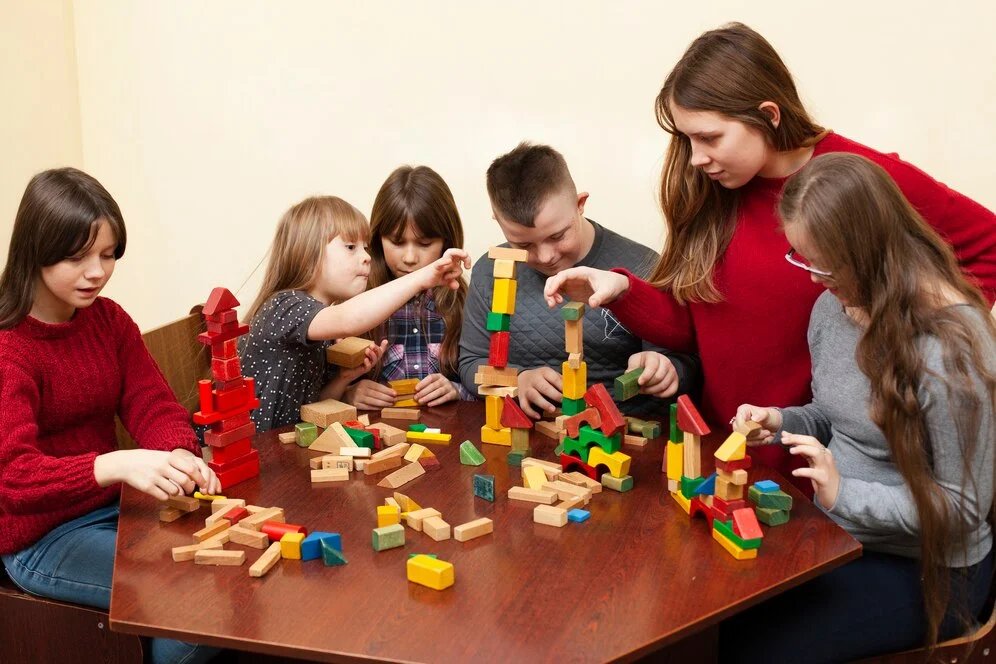
- Special Kids Preschool Training: Early simulation classrooms that teach structured group routines, morning circle time, sharing toys, packing backpacks, and transitioning between activities without emotional distress.
- Individualized Education Plans (IEPs): Tailored academic blueprints that break down literacy, numeracy, and problem-solving concepts into manageable, visually supported micro-steps aligned with the child’s unique learning speed.
- School Inclusion Advocacy: Providing clinical liaison with mainstream schools in Palakkad and Coimbatore, training teachers on sensory accommodations, structured visual seating, and non-punitive regulation strategies.
Support for Families: Empowerment, Guidance, and Healing
An autism diagnosis affects the entire household. Parents often experience feelings of profound anxiety, guilt, social isolation, and chronic exhaustion from managing sleepless nights, dietary sensitivities, and unpredictable public meltdowns. An autism center recognizes that the parent is the child’s most vital lifelong therapist.
Centers provide structured parental education programs where mothers and fathers learn concrete, practical skills: how to co-regulate an escalating sensory meltdown, how to use visual picture timers at home, how to manage feeding difficulties, and how to create soothing bedtime environments. Through individual parent counselling and peer support groups, families connect with others walking the same journey, transforming feelings of isolation into shared strength and community empowerment.
Transition to Adulthood: Fostering Lifelong Autonomy
Autism does not cease when a child turns 18. As neurodivergent individuals grow into adolescence and adulthood, the nature of their developmental support evolves from early classroom milestones toward vocational training, independent living, and self-advocacy.
Forward-thinking autism centers offer dedicated transition-to-adulthood pathways:
- Activities of Daily Living (ADL): Mastering cooking basic meals, personal hygiene, laundering clothes, managing money and digital transactions, and safely utilizing public transport.
- Vocational Aptitude Development: Identifying an individual’s innate strengths—such as computer proficiency, data organization, artistic abilities, inventory management, or horticulture—and nurturing workplace endurance and professional interaction skills.
- Self-Advocacy Training: Empowering neurodivergent young adults to understand their own sensory profiles, state their workplace accommodation needs clearly, and navigate social relationships with confidence and self-respect.
Community Outreach, Awareness, and Advocacy
The ultimate success of an autistic individual depends not only on clinical therapy, but also on how welcoming, accessible, and understanding society is. Autism centers take proactive responsibility for educating the broader public, dismantling social stigma, and advocating for inclusive community spaces.
Through public awareness workshops, teacher training seminars across schools in Palakkad and Coimbatore, free pediatric developmental screening camps, and digital educational resources, centers work tirelessly to dispel harmful myths. When local communities, bus drivers, mall operators, and school principals understand that a sensory meltdown is a neurological crisis rather than "bad parenting," society takes a giant leap toward genuine inclusivity.
Conclusion: Creating an Empowering Tomorrow
Autism centers are far more than clinical facilities; they are lifelines of hope, understanding, and scientific progress for neurodivergent children and their families. By unifying precise diagnostic screening, early multidisciplinary interventions, school readiness training, and holistic parental empowerment under one roof, these centers lay the foundation for lifelong independence, confidence, and fulfillment.
If you notice developmental differences or communication delays in your child, do not wait in hesitation. Timely assessment and compassionate, evidence-based therapy can dramatically reshape your child’s developmental trajectory. Every child on the autism spectrum possesses unique, extraordinary potential—and with the right multidisciplinary guidance, they can thrive and shine brightly in the world.


Frequently Asked Questions
Clear, clinical answers to common questions about autism centers and multidisciplinary therapy support.
Autism centers act as a multidisciplinary hub offering clinical assessments, early intervention, behavior therapy, speech and language therapy, occupational and sensory integration therapy, educational inclusion support, and home intervention guidance tailored to each child's individual needs.
Early intervention takes advantage of the brain's neuroplasticity during critical early developmental windows (between 18 months and 6 years). Timely therapy helps children establish vital communication, motor coordination, and emotional regulation foundations, significantly improving school readiness and long-term independence.
Centers provide parental training, counselling, and structured home-intervention programs. Educating parents ensures therapy techniques are consistently applied in daily routines, reinforcing developmental progress in home and social settings while mitigating parental stress and isolation.
At Gratus Kids, we pioneer an integrative model. While speech and occupational therapists work directly on communication, motor skills, and sensory regulation, our Ayurvedic pediatric physicians address internal neuro-metabolic balance, gut microbiome health (Agni), and nervous system calming through gentle Panchakarma and Medhya Rasayana protocols.
Parents can easily book an in-person assessment at our Palakkad or Coimbatore centres by contacting us via WhatsApp at +91 96335 13108 or calling our clinical desk directly. Our developmental specialists will schedule a dedicated clinical consultation and observational evaluation for your child.