
Children with autism spectrum disorder (ASD) often face significant challenges with self-expression, social engagement, and reciprocal interaction. For parents navigating these developmental hurdles, finding gentle, evidence-based, and non-invasive approaches is essential. While modern speech and behavioral therapies offer vital communicative training, Ayurveda provides a profound biological foundation that nurtures the nervous system and enhances cognitive readiness.
Ayurveda and Autism: A Holistic Path
Ayurveda considers the child as a complete whole - body, mind, and spirit - in contrast to conventional methods that frequently focus solely on isolated outward symptoms. According to classical Ayurvedic principles, emotional and social well-being are deeply influenced by imbalances in the body's functional energies (doshas), specifically Vata dosha, which governs neurological activity, sensory processing, and speech articulation.
By re-establishing equilibrium among the doshas, calming systemic inflammation, and clearing cellular metabolic channels, Ayurvedic pediatrics helps create a calmer, more responsive nervous system. When the internal stress response is subdued, a child becomes naturally more receptive to language, environmental cues, and human connection.
How Ayurveda Helps with Communication in Autism
At Gratus Kids, recognized as a dedicated child development centre in Palakkad, our clinical protocols enhance a child's foundational ability to interact, comprehend, and communicate. We facilitate neurological growth and expressive language through a structured, three-stage clinical model:
Stage 1: Detoxification (Shodhana)
Gentle pediatric Ayurvedic therapies, combined with specific herbal formulations, help cleanse the biological system and eliminate accumulated metabolic waste (Ama). Clearing physical and cellular pathways prepares the gastrointestinal tract and blood-brain barrier for optimal absorption of therapeutic nutrients and calming remedies.
Stage 2: Strengthening Digestion (Agni)
By restoring digestive metabolism (Agni) through tailored herbal preparations and individualized dietary adjustments, the gut microbiome is systematically balanced. Because the gut microbiome directly communicates with the brain via the vagus nerve and gut-brain axis, resolving gut inflammation directly leads to improvements in attention span, emotional regulation, and verbal readiness.
Stage 3: Rasayana (Rejuvenation & Cognitive Nurturing)
Specialized Medhya Rasayana herbs (such as Brahmi, Shankhpushpi, Mandukaparni, and Jyotishmati) are introduced to support neural plasticity, memory retention, and communicative articulation. These restorative therapies foster steady improvements in social engagement, vocabulary acquisition, and speech clarity. Developmental gains are carefully cultivated first within one-on-one clinical therapy and subsequently transitioned into everyday home and classroom routines.
Key Multidisciplinary Pillars Supporting Speech & Communication
To maximize clinical outcomes, the three stages are reinforced through comprehensive therapeutic pillars:
- Herbal Brain Support: Classical Ayurvedic formulations nourish cerebral tissues, sharpen sustained attention, and reduce physical hyperactivity, ensuring children are calm and receptive during speech therapy sessions.
- Diet & Nutritional Guidance: Tailored nutritional frameworks avoid neuro-inflammatory triggers, nourish the nervous system with wholesome, easily digestible foods, and strengthen overall metabolic health.
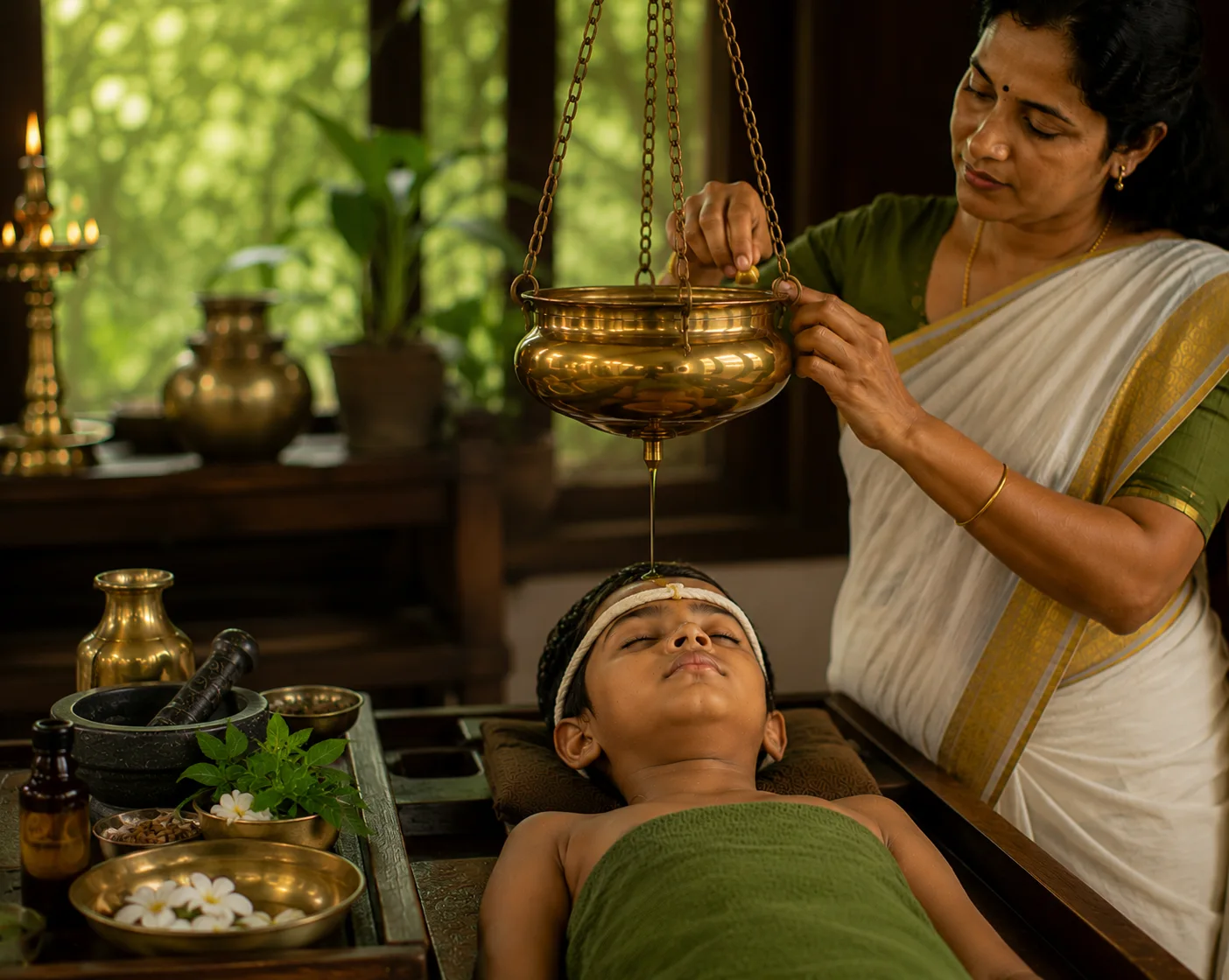
- Soothing External Therapies: Pediatric oil massages (Abhyanga), gentle head therapies (Shirodhara), and rhythmic movement calm sensory overload, regulate emotional states, and help children respond peacefully to verbal prompts.
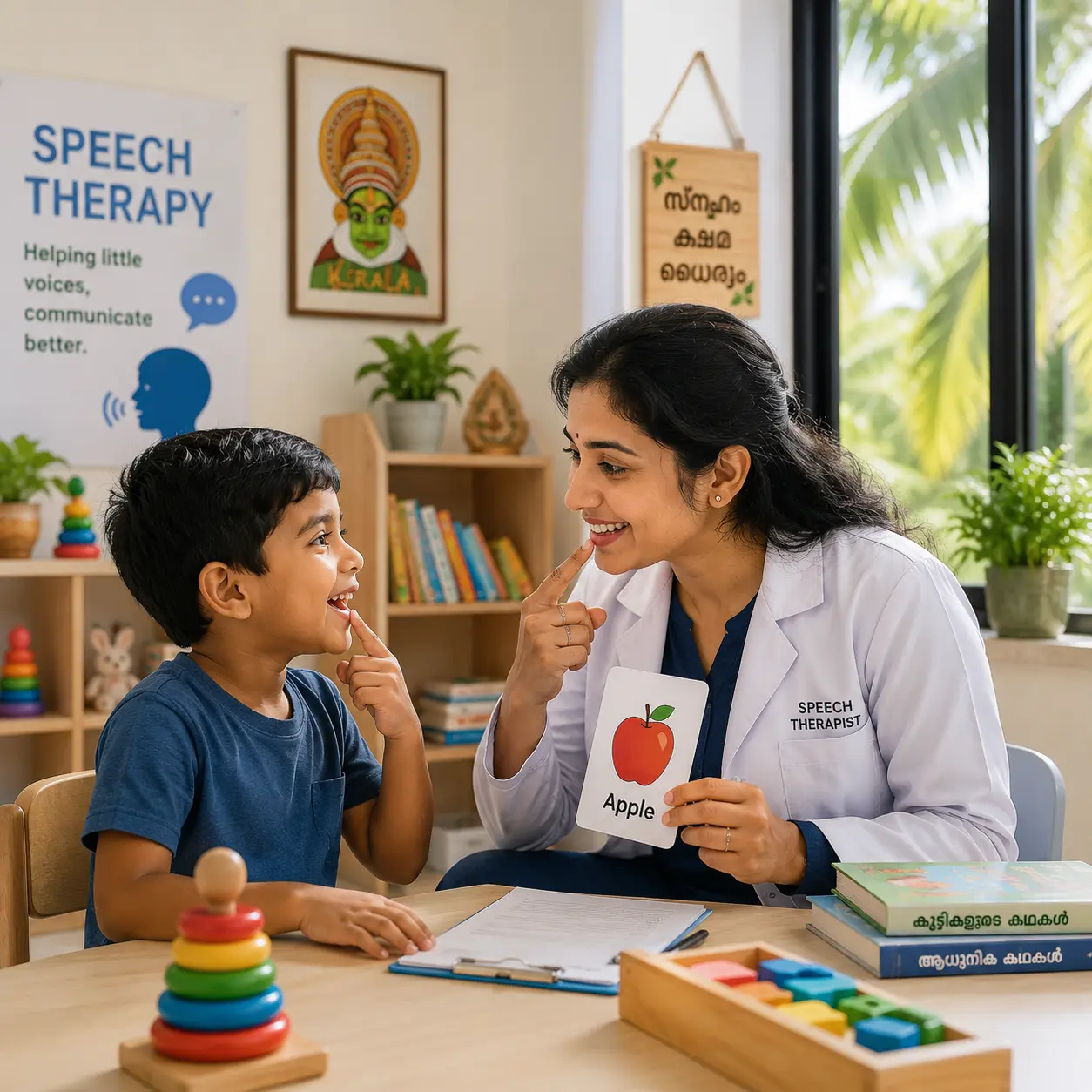
- Speech & Behaviour Integration: Therapeutic gains from Ayurveda are immediately reinforced by licensed speech therapists and pediatric occupational therapists working under the same roof.
A Holistic Blend of Ayurveda and Modern Therapy
The most significant developmental milestones occur when Ayurveda works hand-in-hand with speech, occupational, and behavioral therapy. At Gratus Kids Palakkad, children receive fully integrated care. While modern speech therapy trains articulation, vocabulary, and social pragmatics, Ayurvedic medicine calms sensory hyper-reactivity and enhances cognitive processing. This combined approach empowers children to express their thoughts and feelings with greater confidence.
Why Choose Gratus Kids?
Families across Kerala trust Gratus Kids because of our dedicated doctor-led environment, child-friendly therapy rooms, and personalized clinical protocols. Rather than applying generic treatments, our pediatric medical doctors evaluate each child's constitution, developmental history, and sensory profile to craft a customized therapy roadmap. Our overarching mission is to help children gain greater independence, joyful communication, and emotional resilience.
Conclusion
Ayurveda offers a gentle, natural, and comprehensive methodology for supporting communication skills in children with autism spectrum disorder. By correcting metabolic imbalances, nurturing the nervous system, and supporting emotional stability, it creates the essential biological readiness needed for language acquisition. Combined with dedicated speech and developmental therapies, every child can unlock their communicative potential and interact with the world with joy and confidence.


Frequently Asked Questions
Clear, clinical answers regarding Ayurvedic pediatric interventions for speech and communication development.
Ayurveda works through a structured three-stage protocol: Detoxification (Panchakarma), strengthening digestive fire (Agni), and Rasayana rejuvenation, to nurture brain health, calm the nervous system, and improve a child's receptiveness to speech and language therapies.
Yes. Ayurveda works best when integrated with speech, occupational, and behavioral therapy. While conventional therapies train specific communication skills, Ayurvedic protocols build the internal biological foundation of focus, emotional calm, and sensory regulation.
Because the gut microbiome is directly connected to neurological function via the gut-brain axis. Balancing digestive metabolism enhances nutrient absorption, regulates mood, reduces hyperactivity, and significantly improves attention and learning readiness.